Why Generic Directory Sites Fail (And How Niche Platforms Quietly Make Money)
Lewis Cowan
The Bee Seen Company
Why Generic Directory Sites Fail (And How Niche Platforms Quietly Make Money)
Picture this: You're a joiner in Stirling, trying to grow your business. You Google ""trade directories"" and decide to list on a big site like Checkatrade. Months later, you're scratching your head wondering why the phone isn't ringing. Sound familiar?
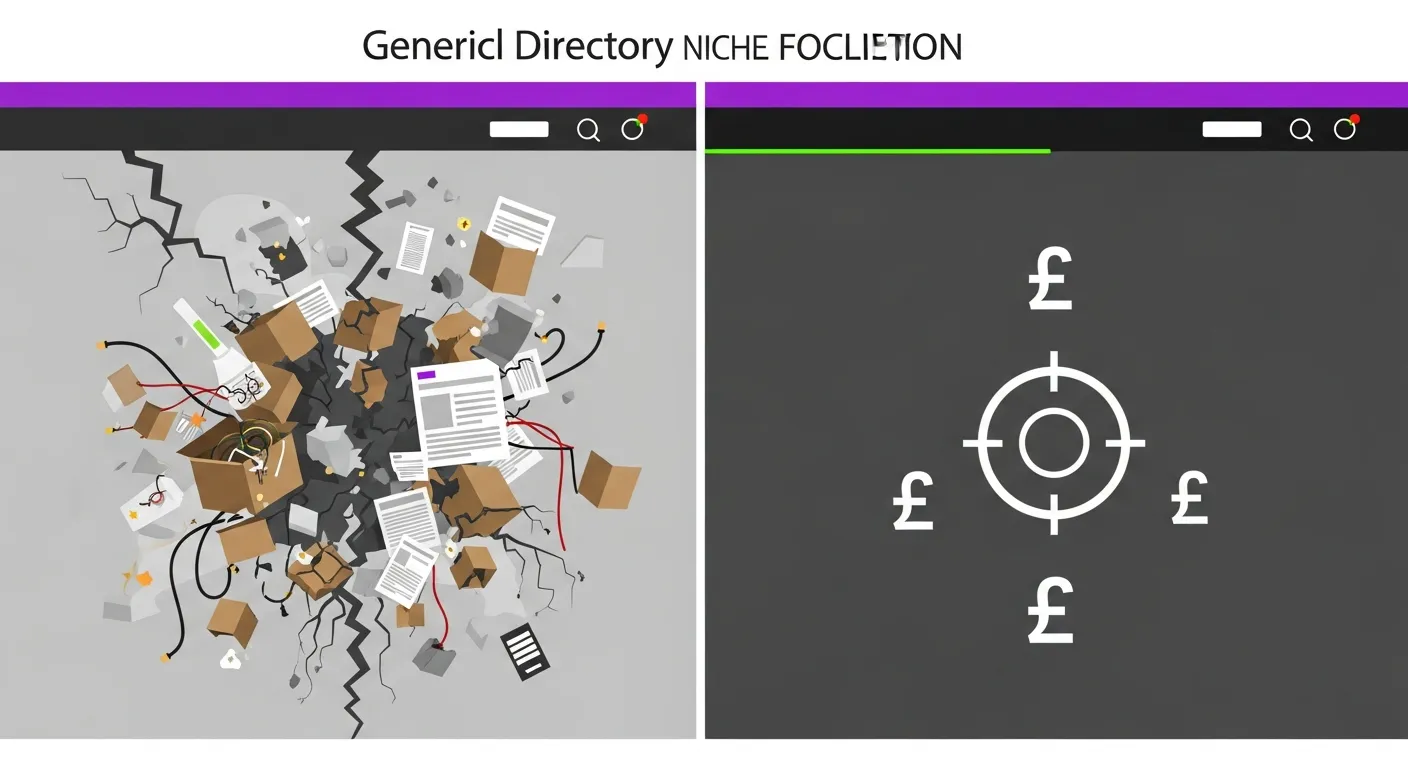
That's because generic directory sites are like shouting into a crowded room - you're just one voice among millions. Niche, hyperlocal platforms, on the other hand, are like chatting with your next-door neighbour who actually needs your help. Which do you think brings in more work? Exactly.
In this post, I'll break down why the big, shiny directory sites aren't all they're cracked up to be, and why focusing on niche and local will quietly (but effectively) win you more leads.
Generic Directories: A Battle You Can't Win
Let's start with generic directories like Yelp, Trustpilot, and Checkatrade. They look appealing, right? Big audiences, professional setup, lots of existing traffic. But here's the kicker:
Simply put, competing on these platforms is like trying to sell Irn-Bru in a shop that also stocks every soft drink under the sun. You might be great, but no one's noticing.
Why Niche and Local Directories Win
Now, let's talk about niche platforms. These are directories that focus on specific services (like joiners) in specific locations (like Stirling). They might not have the razzle-dazzle of a Checkatrade, but they bring in results. Here's why:
Real-Life Example: Stirling Joiners vs Generic Listings
Let’s make this relatable.
Imagine you're a joiner in Stirling. You’ve done an excellent job building custom shelves for Mrs McLeod’s new flat (and now she won't stop telling everyone on Facebook). You list your business:
The Checkatrade listing gets a trickle of views but no calls. You're competing with hundreds of joiners, and visitors are paralysed by choice. On the Stirling directory, you’ve added some photos of those shelves, replied to a glowing review from Mrs McLeod, and immediately got three leads because people looking at that site need a Stirling joiner.
Listing generically is like a leaflet in a pile of junk mail. Being hyperlocal is like putting your card on the community centre noticeboard.
Five Tips to Master Niche and Local
If you're sold on the idea of going niche, here's how to make it work:
1. Do a Niche Audit
Search Google for ""[your service] in [your town]"" - e.g., ""joiners Stirling"". What comes up? Look for smaller, niche directories that specialise in your area or industry. Get listed there.
2. Optimise for Mobile Searches
84% of directory searches are mobile. Make sure your listing is phone-friendly with tap-to-call buttons, clear photos, and short, scannable descriptions.
3. Use Hyperlocal Keywords
Pepper your directory descriptions with location-specific terms. Instead of ""We provide joinery services to Central Scotland,"" say ""We’re trusted joiners in Stirling, offering custom woodwork across Cambuskenneth and Bridge of Allan.""
4. Claim and Verify Listings
Whether it’s Google Business Profile, or a Stirling-specific trade site, claim your listing and make it official. Add photos, reviews, and regular updates to stay ahead of competitors.
5. Track and Adjust
Use tools like Google Analytics to see where traffic is coming from. If your Stirling page gets five leads but your Checkatrade one gets none, you know where to double down.
The Future: Hyperlocal is Here to Stay
Here's the thing: big, generic directory sites are like Yellow Pages was 20 years ago - outdated and overwhelmed. Local, niche platforms are becoming the lifeblood of small businesses in the UK.
With hyperlocal searches dominating and new businesses cropping up every day, the best way to stand out is to focus on your backyard. Be the best joiner, dog walker, or baker in Stirling - not the 547th listing on a UK-wide site.
Ready to Bee Seen?
At The Bee Seen Company, we love helping small businesses in Scotland get noticed online. If you're ready to shake off those generic listings and move into the world of niche, hyperlocal marketing, drop me a line. I'll bring the biscuits.
Cheers,
Lewis